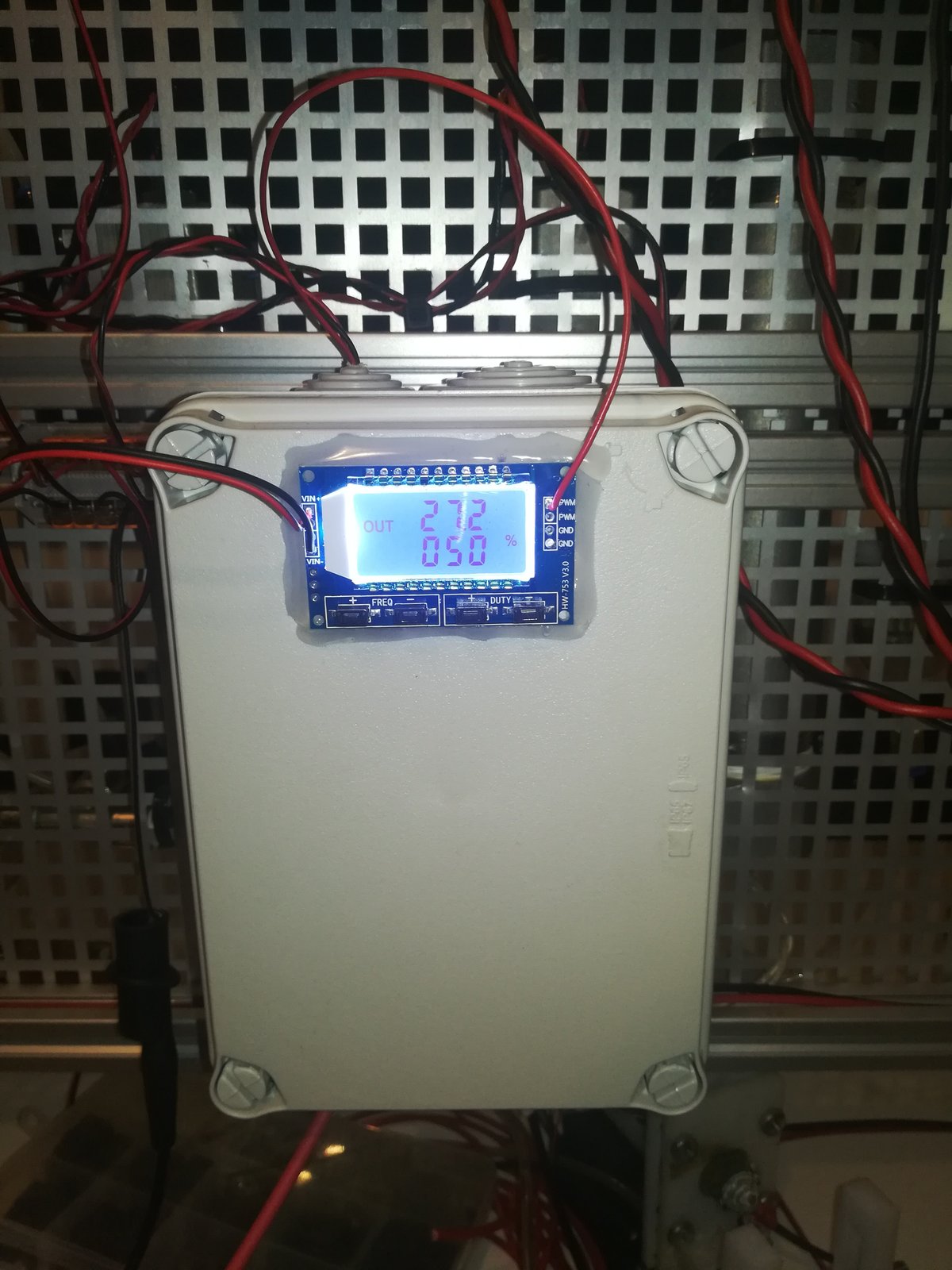
That signature glow of a neon sign isn't just magic; it's the beautiful outcome of precisely engineered High Voltage Power Supplies & Circuitry for Neon at work. These aren't your everyday electrical components. We're talking about specialized systems designed to take standard line voltage and crank it up, sometimes to many thousands of volts, to ignite and sustain the mesmerizing light within gas-filled tubes.
For anyone working with, designing, or simply curious about these luminous works of art, understanding the heart of their illumination—the power supply and its intricate circuitry—is absolutely essential. It’s about more than just flipping a switch; it's about safety, efficiency, longevity, and achieving that perfect, vibrant glow.
At a Glance: What You’ll Learn
- Neon's Energy Secret: How high voltage forces gases to light up.
- The Powerhouse Components: What transformers do and how they convert energy.
- Circuitry Deep Dive: The basic electronic principles that make it all work, from timing chips to switching transistors.
- Picking the Right Power Supply: Key factors like voltage, current, and tube size.
- Safety First: Critical protective features and why they matter for your peace of mind and equipment life.
- Real-World Examples: A look at specific power supply options and their ideal applications.
- Installation & Care: Best practices for setting up and maintaining your neon.
The Spark of Genius: Why Neon Needs Big Voltage
At its core, neon lighting relies on a phenomenon called gas discharge. Imagine a glass tube filled with a noble gas like neon, argon, or krypton. When a sufficiently high voltage is applied across the electrodes at either end of this tube, it strips electrons from the gas atoms, creating a cascade of free electrons and positively charged ions. This state, where the gas becomes electrically conductive, is what we call plasma. These excited electrons, when they fall back into stable orbits, release energy in the form of light—the iconic neon glow. You can dive deeper into this fascinating process by understanding how plasma lights neon signs.
But here's the kicker: getting that initial ionization to happen requires a significant "kick" of energy, a high voltage to overcome the gas's natural resistance. Once ionized, a lower, but still high, voltage is needed to maintain the plasma and keep the light shining steadily. This is the fundamental reason High Voltage Power Supplies & Circuitry for Neon are indispensable. They provide both the initial high-voltage surge (strike voltage) and the consistent operating voltage and current (operating voltage/current) necessary for continuous illumination. Without them, your neon tube is just a fancy piece of glass.
The Heart of the Glow: Demystifying High Voltage Power Supplies
When we talk about a high-voltage power supply for neon, we're primarily referring to a type of transformer designed to step up standard household or commercial line voltage (e.g., 120V AC or 240V AC) to thousands of volts. These transformers are purpose-built for the unique demands of gas discharge lighting.
Magnetic vs. Electronic: Two Roads to High Voltage
Traditionally, neon signs relied on magnetic transformers. These are robust, heavy, and often quite large, using coils of wire around a laminated iron core to achieve voltage step-up through electromagnetic induction. They're known for their durability and classic hum. Magnetic transformers deliver a sinusoidal AC output, which is generally quite stable for neon.
More recently, electronic transformers (also known as solid-state transformers or switch-mode power supplies) have become increasingly popular. These units are significantly smaller, lighter, and more energy-efficient. They achieve high voltage by using switching circuitry (like the NE555 timer we'll discuss) to rapidly switch current in a primary coil, which then induces a high-frequency, high-voltage output in a secondary coil. This high-frequency operation allows for smaller components and greater efficiency. Electronic transformers often operate at frequencies in the kilohertz range (e.g., 15-32 kHz), which can be advantageous for neon.
Key Specifications: Voltage (kV) and Current (mA)
When choosing a power supply, two numbers are paramount:
- Voltage (kV - kilovolts): This specifies the maximum output voltage. Different lengths and diameters of neon tubing require different voltages to ionize and sustain the gas. Generally, longer tubes and larger diameters need higher voltages. For glass neon, typical outputs range from 3kV to 15kV.
- Current (mA - milliamperes): This indicates the amount of current the power supply can deliver. Neon tubes are current-sensitive; too much current will burn them out, too little will result in a dim or inconsistent glow. Typical currents for glass neon fall within a narrow range, often 30mA to 80mA. LED-based "neon" products, on the other hand, operate on much lower DC voltages (e.g., 12V DC) and higher currents (e.g., Amps), making them a distinct category.
Matching these specs to your specific neon tube requirements is non-negotiable for optimal performance and tube longevity.
Inside the Spark Generator: A Look at Neon Circuitry
While a magnetic transformer is relatively simple in its internal design, electronic power supplies incorporate more complex circuitry to achieve their goals. Let's briefly peek into a common example: the NE555 timer circuit often used in smaller, DIY-friendly high-voltage generators.
The NE555 Timer: The Brain of the Boost
Many simple high-voltage power supply circuits for neon, particularly those for hobbyists or small applications, leverage an NE555 timer chip. This versatile integrated circuit operates in an astable mode, meaning it continuously generates a square wave oscillation signal. Think of it as a metronome, ticking at a very precise, adjustable rate—typically 15-20 kHz for neon applications.
Here's a simplified breakdown of how such a circuit might work, drawing from common designs:
- Oscillation Control: Resistors (R1, R2) and a capacitor (C1) connected to the NE555 timer dictate the frequency of this square wave. Adjusting these values allows you to fine-tune the signal.
- Driving the Switch: The square wave signal, emerging from pin 3 of the NE555, isn't powerful enough on its own to drive the high-voltage transformer. Instead, it controls a sub-circuit (often involving a capacitor C3, diode D1, and an LED) which then activates a high-power transistor (BG).
- The Transistor as a Switch: This transistor acts like a rapid-fire on/off switch. When the NE555 signal tells it "on," current flows through the primary winding of a step-up transformer (B2). When it says "off," the current stops. This rapid switching of current in the primary winding is the magic step.
- Electromagnetic Induction: According to Faraday's law of induction, a rapidly changing magnetic field in the primary coil induces a high voltage in the secondary coil of the transformer. This is precisely how the voltage gets stepped up to the thousands of volts needed for neon.
- Output Control & Protection: The output voltage can sometimes be adjusted by varying R2 in the timing circuit, subtly changing the switching characteristics. A diode (D1) is crucial to protect the transistor from damaging back EMF (electromotive force) spikes that occur when the magnetic field collapses during switching. An LED often provides a visual cue, indicating the drive signal's intensity and confirming the transistor is switching. If this LED is dim or unlit, it flags a potential circuit issue. A capacitor (C5) might be included between the collector and ground to smooth out spikes, though sometimes it's omitted in favor of raw power.
This compact and efficient circuitry can typically power neon tubes up to approximately 3 to 6 meters in length, making it ideal for smaller signs or experimental setups.
Choosing the Right Power Supply: A Decision Framework
Selecting the optimal power supply for your neon sign involves a delicate balance of technical specifications, safety, and application needs. It's not a one-size-fits-all solution.
1. Glass Neon vs. LED "Neon"
This is your first, most critical distinction.
- Glass Neon: Requires true high-voltage AC output (typically 3kV–15kV) with limited current (30mA–80mA). These are the systems we're focusing on in this guide.
- LED-Based Modules (often marketed as "LED Neon"): These are flexible LED strips encased in silicone that mimic the look of neon. They operate on low-voltage DC (e.g., 12V or 24V DC) with much higher current draw (measured in Amps). An AspenTek 12V Power Supply With Switch, delivering 12V DC up to 24 watts, is a perfect example of a power supply for these types of products. It's compact and includes essential protections for low-voltage circuits. Never confuse these with high-voltage glass neon requirements. Using a 12V supply for glass neon will do nothing, and connecting a high-voltage supply to LED modules will destroy them instantly and dangerously.
2. Tube Characteristics: Length, Diameter, and Gas Type
For glass neon specifically:
- Tube Length: Longer tubes require higher voltages. A general rule of thumb is around 750-1000 volts per foot of tubing, plus an initial strike voltage.
- Tube Diameter: Thicker tubes generally require slightly higher strike voltages and can handle more current.
- Gas Type: Neon gas (red/orange) ionizes more easily than argon/mercury mixes (blues, greens, whites), meaning argon often needs a slightly higher strike voltage or different current characteristics.
These factors directly inform the required kV and mA ratings of your power supply. Underpowering leads to dimness or incomplete illumination; overpowering leads to premature tube failure.
3. Safety Features: Non-Negotiable Protections
Modern high-voltage power supplies must integrate crucial safety features to prevent hazards and prolong equipment life:
- Grounding: Essential for protecting against electrical shock. The power supply casing and the sign frame must be properly grounded.
- Short-Circuit Protection: Prevents excessive current flow if the output wires accidentally touch, reducing fire risk and protecting the transformer.
- Overheating Protection: Shuts down the unit if internal temperatures exceed safe limits, often due to overload or poor ventilation.
- Open-Circuit Protection (No-Load Protection): This is vital for neon. If a tube breaks or disconnects, the transformer senses an "open circuit" and safely limits its output voltage, preventing dangerous arcing from exposed high-voltage terminals.
- Earth Leakage Protection (SGFP - Secondary Ground Fault Protection): Detects if high voltage is accidentally contacting a grounded surface and shuts down the unit, preventing severe shock. Many advanced electronic transformers, like the ZODZ 10KV Neon Sign Transformer, include these SGFP-recovery steps.
Always prioritize power supplies with multiple built-in safety mechanisms and look for certifications from reputable bodies like UL (Underwriters Laboratories).
4. Installation Environment & Power Distribution
- Ventilation: High-voltage transformers, especially magnetic ones, generate heat. Ensure adequate airflow around the unit to prevent overheating.
- Moisture/Dust: Choose units rated for your environment (e.g., outdoor vs. indoor, damp vs. dry).
- Power Distribution: For larger signs or multiple tubes, you might need several transformers. This balances the load, prevents voltage drop across long runs, ensures uniform brightness, and extends the life of individual units. Careful planning of power zones is key, especially for complex designs. When considering options like the HB-C02TE 3KV Power Supply or the SGTD UL 6.5KV Neon Sign Transformer, remember that for multi-tube signs, using multiple units can maintain consistency.
5. Compliance with Local Electrical Codes
Always verify that your chosen power supply and its installation comply with local electrical codes and regulations. These codes are in place to ensure public safety and proper electrical practices.
Specific Power Supply Options: Real-World Examples
Let's look at some examples provided in the context, highlighting their ideal applications and characteristics. This helps illustrate how the kV and mA ratings, alongside safety features, dictate suitability.
- ZODZ 10KV Neon Sign Transformer (NG.A410EL):
- Specs: 10,000V, up to 80mA, power factor > 0.9, 32 kHz operation.
- Application: Designed for substantial glass neon tubes (7-15 mm diameter, 10″–20″ in length). The 10kV output makes it suitable for longer single runs or multiple shorter tubes combined.
- Highlights: High power factor indicates efficiency, and the 32 kHz operation points to an electronic (solid-state) design. Its UL-style safety, short-circuit, overheating, open-circuit, and robust SGFP-recovery steps make it a very safe choice for professional installations. Remember that proper insulation and tube alignment are critical with such high voltage.
- SGTD UL 6.5KV Neon Sign Transformer:
- Specs: 6.5kV, 30mA, compact (127x67x40 mm), UL-listed.
- Application: Ideal for medium-sized glass neon signs (20″–32″). The 6.5kV output and 30mA current are common for many standard neon tube lengths and diameters, ensuring consistent illumination.
- Highlights: Being UL-listed is a significant trust factor. Its compact size is beneficial for installations where space is limited. As with any high-voltage unit, ensure proper clearance, secure grounding, and careful cable routing. For larger signs, multiple units can be combined.
- YaeCCC 6.5KV 30mA Neon Power Supply:
- Specs: 6.5kV, 30mA, UL-listed, high power factor, low electromagnetic interference (EMI).
- Application: Similar to the SGTD, this is suitable for medium-length glass neon tubes. Its emphasis on low EMI makes it a good choice for indoor commercial displays where interference with other electronics might be a concern.
- Highlights: UL-listing and high power factor are excellent. The focus on ease of grounding and mounting speaks to its user-friendliness for installers, but consistent ground reference and protective enclosures are always necessary.
- HB-C02TE 3KV Power Supply:
- Specs: 3kV, compact (129.5x31x20 mm), 10.5-inch wire leads, compatible with 100–240VAC inputs.
- Application: Best for smaller glass neon signs (14″–24″) where a lower voltage is sufficient. Its universal input voltage (100-240VAC) adds flexibility for international use.
- Highlights: Its extreme compactness makes it suitable for tight spaces. For multi-tube signs, using several of these units might be necessary to ensure uniform brightness and prevent excessive wear on a single unit. Adequate ventilation remains a key concern due to heat generation, despite its small size.
- AspenTek 12V Power Supply With Switch:
- Specs: DC 12V, up to 24 watts, includes on/off switch, built-in protections.
- Application: Crucially, this is NOT for traditional glass neon. This is specifically designed for small LED "neon" signs or low-voltage LED strips.
- Highlights: Its compact size, integrated switch, and protections against short circuits, over-current, over-voltage, and overload are perfect for its intended low-voltage LED applications. For anything exceeding 24W or requiring higher current with LED "neon," a larger DC power supply would be needed to avoid flicker or reduced LED longevity.
This diversity highlights the need to precisely match the power supply to the specific type and size of the lighting element.
Installation, Safety, and Troubleshooting: Keeping the Glow Alive
Proper installation and maintenance are just as critical as choosing the right power supply. High voltage demands respect and adherence to best practices to ensure both safety and the longevity of your neon sign. To ensure a safe setup, consider researching DIY neon sign safety tips even if you're not doing it yourself, just to understand the risks.
Grounding: Your First Line of Defense
Every high-voltage power supply and the metal frame of the neon sign must be properly grounded to a reliable earth ground. This provides a safe path for fault currents in case of an insulation breakdown, preventing electrical shock. Never skip this step. Use appropriate gauge wire and secure connections.
Clearances and Cable Management
High voltage can "jump" (arc) across air gaps. Maintain adequate clearance between high-voltage wiring, the neon tube itself, and any grounded metal surfaces or other electrical components. All high-voltage cables should be routed securely, protected from physical damage, and insulated with materials rated for the specific voltage. Avoid sharp bends or kinks in the wiring.
Ventilation: Don't Let it Overheat
All power supplies generate heat. Electronic transformers, while more efficient, still require airflow. Magnetic transformers, especially, can run warm. Ensure the power supply is installed in an area with sufficient ventilation, free from obstructions that could block airflow. Overheating significantly reduces the lifespan of the unit and can pose a fire hazard.
Troubleshooting Common Neon Issues
Even with the best equipment, issues can arise. Understanding basic troubleshooting can save you time and money. For more comprehensive guidance, you can explore troubleshooting common neon sign issues.
- No Light/Dim Light:
- Check Power: Is the unit receiving power? Is the switch on?
- Tube Breakage: Inspect the neon tube for cracks, breaks, or internal damage (often evidenced by blackening near electrodes). A broken tube creates an open circuit, and most modern power supplies will shut down or reduce output.
- Wiring: Check all high-voltage connections for looseness, corrosion, or breaks.
- Power Supply Failure: If power is present and the tube is intact, the power supply itself may have failed.
- Flickering:
- Underpowering: The power supply might be too weak for the tube length/diameter.
- Loose Connection: A poor connection at the tube electrodes or within the high-voltage circuit.
- Aging Tube/Electrodes: Electrodes can degrade over time, leading to unstable operation.
- Faulty Power Supply: The transformer may be intermittently failing.
- Excessive Noise (Humming/Buzzing):
- Magnetic Transformers: A slight hum is normal. Excessive buzzing might indicate a loose core, vibration against a surface, or an overloaded transformer.
- Electronic Transformers: Should be relatively quiet. Loud buzzing usually indicates a serious fault or extreme overload.
- Sign Doesn't Light but Transformer Hums (Magnetic) or Light (Electronic) is On:
- Likely a broken neon tube creating an open circuit, or a faulty connection to the tube.
The Evolution of Neon: Beyond Basic Power
While the fundamental principles of High Voltage Power Supplies & Circuitry for Neon remain consistent, the technology is always evolving. We're seeing more intelligent electronic power supplies with advanced diagnostics, greater efficiency, and more precise output control. This innovation allows for brighter, more stable signs and, importantly, safer installations.
As technology progresses, our understanding of the various gases used in neon tubes and the subtle nuances of their electrical characteristics also deepens, leading to more refined power solutions. Even the aesthetic aspects, like principles of effective neon sign design, are impacted by the capabilities of modern power supplies, enabling new creative possibilities.
Looking back at the fascinating history of neon signage, from its early incandescent forms to the vibrant gas-filled tubes we know today, it's clear that the power supply has always been at the cutting edge of making these luminous displays possible.
Moving Forward with Confidence
You now have a solid grasp of what makes high-voltage power supplies and circuitry tick for neon signs. From the essential role of high voltage in plasma creation to the detailed workings of an NE555-driven circuit and the critical decision-making criteria for choosing the right transformer, you're better equipped to approach neon projects with clarity and confidence.
Remember: safety is paramount. Always match your power supply to your specific neon tubes, adhere to all safety guidelines, and never compromise on proper grounding and installation. With the right knowledge and components, you can ensure your neon signs not only shine brightly but do so safely and reliably for years to come.