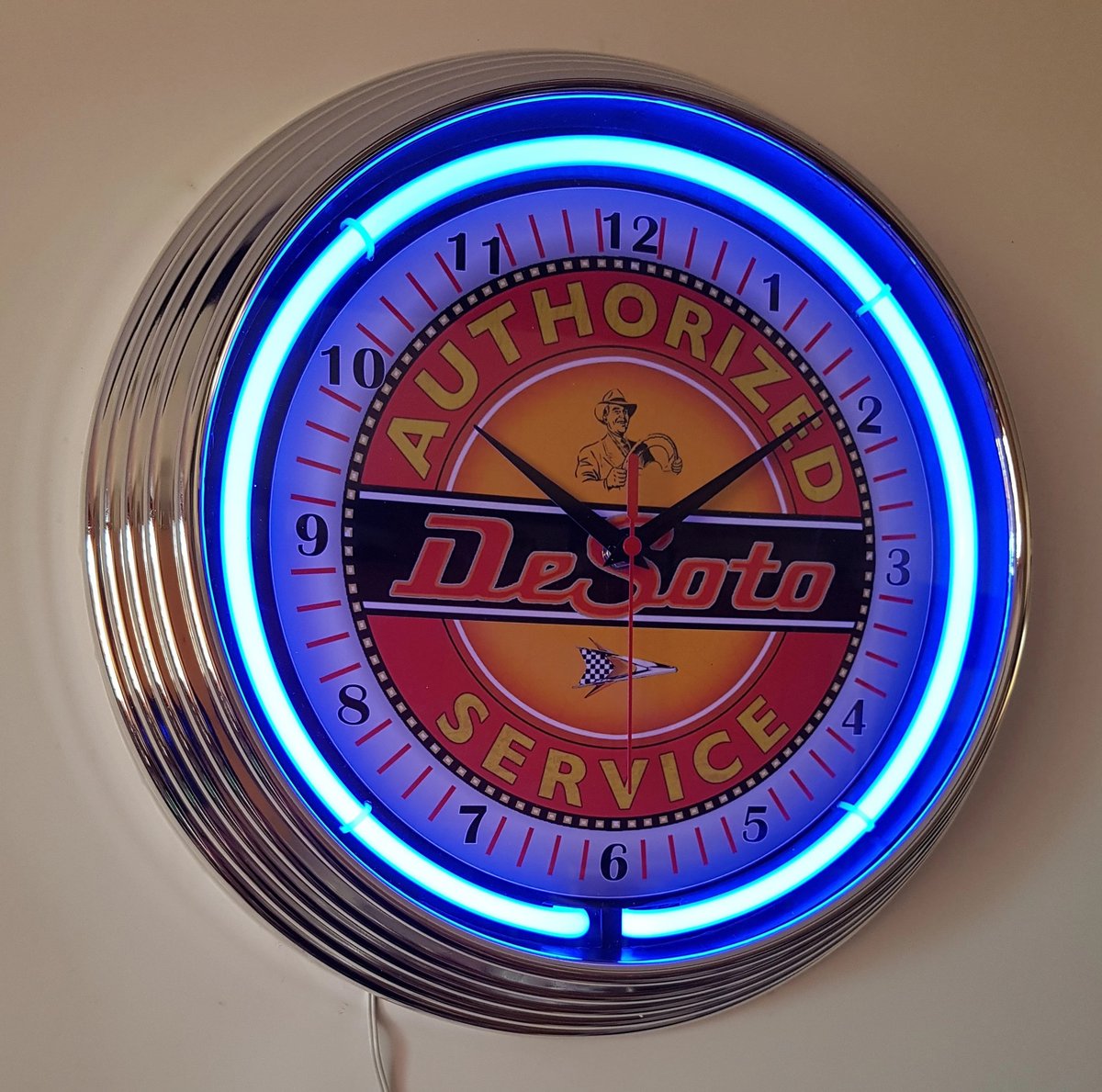
The humble glow of a neon sign — whether a vintage diner classic or a cutting-edge artistic display — holds a certain undeniable magic. But beyond the mesmerizing light, understanding neon sign components & construction reveals a fascinating interplay of science, craftsmanship, and modern engineering. It’s more than just a pretty light; it’s a meticulously crafted system designed to captivate.
If you’ve ever stopped to admire a vibrant "Open" sign or a sprawling artistic installation, you've witnessed the allure of neon. Yet, the technology behind that glow has evolved dramatically. Today, when we talk about "neon signs," we're often referring to two distinct worlds: the traditional gas-filled glass tubes of yesteryear and the flexible, energy-efficient LED alternatives that dominate the modern market. Let's pull back the curtain on both, exploring what makes them tick, how they differ, and why each continues to find its place in our illuminated landscape.
At a Glance: What You'll Discover
- Traditional Neon's Inner Workings: How glass, noble gases, and high voltage create that iconic glow.
- The Magic of LED Neon: How modern LEDs replicate the neon aesthetic with enhanced flexibility and efficiency.
- Component Breakdown: A detailed look at the key parts that make each sign type function.
- Traditional vs. LED: A head-to-head comparison of their advantages, disadvantages, and ideal applications.
- Making an Informed Choice: Guidance on deciding which neon sign technology is right for your needs.
The Enduring Allure: Why Neon Captures Our Gaze
Since its public debut in Paris in 1910, neon has been synonymous with urban nightlife, commercial vibrancy, and a distinct artistic flair. There’s an inherent warmth and depth to the glow of traditional neon, a nostalgic hum that evokes a bygone era. For decades, these radiant tubes were the undisputed kings of eye-catching signage, transforming cityscapes into vibrant tapestries of light.
But as technology advanced, so did the demand for more versatile, durable, and energy-conscious lighting solutions. This led to the rise of LED neon, a testament to innovation that seeks to capture the spirit of classic neon while addressing its inherent limitations. To truly appreciate either, we first need to understand their foundational architecture.
Peeling Back the Glow: Traditional Neon Sign Components
Traditional neon signs are marvels of glass bending and electrical engineering. Their construction is a meticulous process that combines artisanal skill with precise scientific principles.
The Art of the Glass Tube: The Sign's Signature Shape
At the heart of every traditional neon sign are its shaped glass tubes. These aren't just any glass; they're typically made from lead or soda-lime glass, chosen for their workability and heat resistance. Skilled glass benders meticulously heat, bend, and shape these tubes into letters, logos, or intricate designs. The diameter of the tube, its internal pressure, and the type of glass all influence the final light output and aesthetic. It's a true art form, with each curve and angle contributing to the sign's unique character.
What Fills the Tubes? Noble Gases at Work
Once shaped, these glass tubes are vacuum-pumped to remove all air and then filled with a small amount of noble gas (or a mixture of gases) at low pressure. The type of gas used directly dictates the primary color emitted:
- Neon: Emits the classic fiery red-orange glow.
- Argon: Produces a blue light. Often mixed with a tiny amount of mercury to enhance brightness and stability.
- Krypton & Xenon: Can produce greenish-yellows, violets, and whites, though less commonly used alone for primary colors in signage.
Electrodes: The Spark Plugs of Neon
Sealed at each end of the gas-filled glass tube are electrodes. These are small metal cylinders, typically made from iron or nickel, coated with an emissive material (like barium or strontium carbonate). Their purpose is critical: they provide the points where the high-voltage electricity enters and exits the gas, initiating the ionization process that makes the sign glow. The quality and proper installation of electrodes are crucial for the sign's longevity and consistent brightness.
The High-Voltage Heart: The Power Supply
Traditional neon signs require a substantial amount of electricity to operate, but it's not the standard household current. They need a high-voltage, low-current power supply, which comes in the form of a neon transformer or an electronic power supply (EPS).
- Neon Transformer: These are heavy, magnetic devices that step up standard line voltage (e.g., 120V) to extremely high voltages (ranging from 2,000 to 15,000 volts or more). They regulate the current to ensure the gas discharge is stable.
- Electronic Power Supply (EPS): A more modern, lightweight, and energy-efficient alternative to traditional transformers. EPS units convert AC voltage to high-frequency DC, which then generates the necessary high voltage for the tubes. They often offer built-in safety features like ground fault protection.
Connected to the power supply is specialized high-voltage wiring, often referred to as GTO wire (Glass Tube Output), which carries the stepped-up voltage to the electrodes. This wiring is heavily insulated to prevent arcing and ensure safety.
Mounting and Enclosures: Structure and Protection
Finally, a traditional neon sign needs a structure to hold it all together and protect its delicate components.
- Backing Material: Often clear or painted acrylic, metal, or PVC board. This serves as the canvas, providing a surface to mount the glass tubes, transformers, and wiring.
- Standoffs/Insulators: Small clear or colored plastic/ceramic pieces that hold the glass tubing away from the backing, ensuring electrical isolation and creating a floating effect.
- Enclosures/Housings: For outdoor or exposed applications, the entire assembly might be housed within a protective metal or acrylic box, shielding it from weather and tampering.
The Science Behind the Glow: How Traditional Neon Works
Understanding neon sign components is just one part of the puzzle; knowing how they work together is where the real magic happens. The process is a classic example of gas discharge or ionization.
- High Voltage Application: When the high-voltage electricity from the transformer or EPS is applied across the electrodes at opposite ends of the glass tube.
- Ionization: This high voltage provides enough energy to "kick out" electrons from the noble gas atoms within the tube. These free electrons then accelerate, colliding with other gas atoms.
- Excitation: These collisions transfer energy, causing electrons in the gas atoms to jump to higher energy levels (become "excited").
- Photon Emission: This excited state is unstable. Almost immediately, the electrons fall back to their normal, lower energy levels. As they do, they release the excess energy in the form of photons – tiny packets of visible light. The specific color of this light is determined by the type of gas used.
- Plasma Formation: This continuous process of ionization, excitation, and photon emission creates a state of matter called plasma – an ionized gas that conducts electricity and emits light. The entire tube fills with this glowing plasma. This is how neon signs use plasma to generate their distinctive light.
Color Palette: Beyond Just Red and Blue
While neon gas inherently glows red-orange and argon glows blue, traditional neon signs offer a much broader spectrum of colors thanks to phosphor coatings. The inside of an argon-filled tube can be coated with a thin layer of phosphor powder. When the ultraviolet (UV) light generated by the excited argon gas strikes this phosphor coating, it fluoresces, emitting a different visible color. This technique allows for a vibrant range of greens, yellows, pinks, purples, and even whites, greatly expanding the artistic possibilities beyond the natural gas colors.
Embracing the Modern: LED Neon Sign Components & Construction
LED neon signs represent a revolutionary leap, offering a safer, more versatile, and energy-efficient alternative that closely mimics the aesthetic of traditional neon. Instead of gas and glass, they rely on solid-state lighting technology.
The Core: Light-Emitting Diodes (LEDs)
The fundamental building blocks of LED neon signs are Light-Emitting Diodes (LEDs). These tiny semiconductor devices convert electricity directly into light through a process called electroluminescence. Different semiconductor materials (e.g., gallium arsenide, indium gallium nitride) are used to produce specific colors of light.
- Monochromatic LEDs: Emit a single color (red, green, blue, yellow, white).
- RGB LEDs: Contain red, green, and blue diodes within a single chip, allowing for millions of color combinations and dynamic lighting effects when controlled by a sophisticated driver.
Flexible Tubing: The New Canvas
Instead of rigid glass, LED neon signs use flexible tubing, typically made from high-grade silicone or durable PVC (polyvinyl chloride). This material is opaque or semi-translucent, diffusing the light from the internal LEDs to create a continuous, even glow that closely resembles traditional neon.
- Flexibility: The most significant advantage. This tubing can be bent, twisted, and shaped by hand into intricate designs without requiring specialized glass-bending skills.
- Durability: Silicone and PVC are shatterproof, impact-resistant, and highly resistant to environmental factors like UV radiation and extreme temperatures, making them ideal for both indoor and outdoor use.
- Sealing: The tubing often has a protective, waterproof coating or design, encasing the LEDs and wiring securely.
Powering the LEDs: Low-Voltage Drivers
Unlike traditional neon's high-voltage needs, LED neon signs operate on low voltage (typically 12V or 24V DC). They require an LED driver (also known as a power supply or transformer) to convert standard AC household current into the appropriate low-voltage DC current that the LEDs need. These drivers are compact, much lighter than neon transformers, and significantly more energy-efficient. Many LED drivers also include dimming capabilities or support smart home integration for advanced control.
Mounting Solutions: Simplicity and Versatility
Mounting LED neon signs is generally straightforward and offers greater flexibility.
- Acrylic Backing: Often mounted on a clear or colored acrylic backboard, which can be cut to shape around the design, creating a clean, floating effect.
- Mounting Clips/Hardware: Simple clips, screws, or adhesive backings are used to secure the flexible LED tubing to the backing or directly to a wall.
- Minimal Wiring: The low voltage means less stringent wiring requirements, often with a single power cord leading from the LED driver.
Traditional vs. LED Neon: A Head-to-Head Comparison
The choice between traditional and LED neon often comes down to a careful balancing act of aesthetics, performance, cost, and practicality. Let's pit them against each other.
| Feature | Traditional Neon Signs | LED Neon Signs |
|---|---|---|
| Glow & Aesthetics | Classic, deep, radiant glow; subtle hum; unique color depth. | Bright, consistent, vibrant glow; can closely mimic traditional neon. |
| Components | Glass tubes, noble gases, electrodes, high-voltage transformer. | Flexible silicone/PVC tubing, LEDs, low-voltage driver. |
| Energy Consumption | High (e.g., ~20 watts per linear foot). | Low (e.g., ~1.2 watts per linear foot - up to 80% less). |
| Operating Voltage | High (2,000-15,000+ volts). | Low (12V or 24V DC). |
| Durability | Fragile (glass tubes prone to breakage). | Robust & Flexible (shatterproof silicone/PVC). |
| Safety | Higher risk (high voltage, heat, mercury in some argon tubes). | Lower risk (low voltage, minimal heat, no hazardous gases/glass). |
| Lifespan | 8,000 - 15,000 hours. | Longer (typically 50,000 hours or more). |
| Maintenance | Requires specialized repair (glass repair, transformer replacement). | Minimal; easy to clean, less prone to component failure. |
| Installation | Requires skilled technicians, more complex wiring. | Easier, DIY-friendly for many applications, simpler wiring. |
| Customization | Fixed colors (gas/phosphor dependent); no dynamic effects. | Wide color range (RGB), dimming, flashing, programmable effects. |
| Environmental | Harder to recycle (glass, noble gases, mercury); higher energy use. | Often recyclable (silicone/PVC); lower energy footprint. |
| Cost (Initial) | Generally higher due to craftsmanship and materials. | Often lower, especially for complex designs. |
| Cost (Operating) | Higher due to significant energy consumption. | Significantly lower due to energy efficiency. |
The Glow Factor: Aesthetic Differences
For purists, the deep, warm, and somewhat "analog" glow of traditional neon is irreplaceable. It has a distinctive radiance and subtle hum that LED neon, despite its advancements, can only approximate. Traditional neon's light feels diffused from within the gas itself, giving it a unique character. LED neon, on the other hand, often presents a brighter, more consistent, and sometimes slightly flatter light, though modern advancements in diffusion materials have significantly narrowed this gap.
Energy Consumption & Operating Costs
This is where LED neon truly shines. Traditional neon signs are energy hogs, consuming significant electricity due to their high voltage requirements. A typical traditional neon sign might use around 20 watts per linear foot. In stark contrast, an LED neon sign often uses as little as 1.2 watts per linear foot, leading to up to 80% less electricity consumption. This translates to dramatically lower utility bills and a smaller carbon footprint over the sign's lifespan.
Durability & Safety
Traditional neon, being made of glass, is inherently fragile. It's susceptible to breakage from impact, vibration, or even extreme temperature fluctuations, posing risks of broken glass and potential mercury exposure (in argon tubes). Its high operating voltage also presents a greater risk of electric shock and fire if not installed and maintained properly.
LED neon, with its flexible silicone or acrylic tubing, is incredibly durable and shatterproof. It can withstand bumps, drops, and various weather conditions without breaking. Operating at a low voltage, it produces minimal heat, making it significantly safer to touch and greatly reducing fire and electric shock hazards.
Lifespan & Maintenance
LED neon signs boast a much longer lifespan, typically rated for 50,000 hours or more. This means years, even decades, of continuous illumination with minimal degradation. Traditional neon signs generally last between 8,000 and 15,000 hours. While they can be repaired, this often requires specialized glass blowing and electrode replacement, which can be costly and time-consuming. LED neon, with its robust components, requires far less maintenance.
Customization & Features
Traditional neon offers fixed colors determined by the gas and phosphor. While a wide range exists, dynamic color changes or dimming are generally not possible. LED neon, especially with RGB LEDs, offers unparalleled customization. You can change colors with a remote, dim the brightness, create flashing or chasing effects, and even integrate with smart home systems. This makes LED neon incredibly versatile for different moods, branding, or artistic expressions.
Environmental Footprint & Regulations
The high energy consumption and the presence of noble gases and sometimes mercury in traditional neon raise environmental concerns. Recycling traditional signs can be challenging. LED neon, with its low power draw and often recyclable silicone/PVC components, is a more environmentally friendly choice. Furthermore, LED signs are more likely to comply with evolving energy efficiency and fire safety regulations, making them a sustainable option for the long term. The market for LED light signs is projected to grow at a Compound Annual Growth Rate (CAGR) of 5.5%, underscoring a strong trend towards LED technology due to these benefits.
Deciding Your Glow: When to Choose Traditional vs. LED Neon
The choice isn't about one being definitively "better" than the other; it's about finding the right fit for your specific needs, aesthetic preferences, and practical considerations.
For the Purist, Collector, or Nostalgia Seeker: Traditional Neon
If you're seeking that authentic, vintage ambiance, a deep and unique glow that cannot be perfectly replicated, or you're restoring a historical sign, traditional neon is likely your preference. It's an investment in artistry and a piece of living history.
- Best for: Classic storefronts, retro diners, art installations prioritizing authenticity, high-end interior design where the subtle hum and deep glow are paramount.
- Considerations: Higher upfront cost, higher running costs, fragility, specialized maintenance, and safety considerations.
For Practicality, Efficiency, and Modern Design: LED Neon
If your priorities are durability, energy efficiency, a longer lifespan, greater design flexibility, and lower operating costs, LED neon is the clear winner. It offers a stunning visual impact with modern benefits.
- Best for: Modern businesses, home decor, events, children's rooms, outdoor signage, intricate designs, dynamic lighting needs, and any application where safety and budget are key concerns.
- Considerations: While it closely mimics traditional neon, some purists might argue it lacks the exact "soul" of gas-filled glass.
Key Decision Criteria to Guide Your Choice:
- Desired Aesthetic: Do you crave the exact vintage look, or is a modern interpretation acceptable?
- Budget: What's your initial investment capacity, and how important are long-term operating costs?
- Location: Will the sign be indoors or outdoors? Is it exposed to potential impacts or harsh weather?
- Safety Concerns: Is low voltage a priority (e.g., for public spaces, children's rooms)?
- Maintenance Commitment: Are you prepared for potential specialized repairs, or do you prefer a hands-off approach?
- Customization Needs: Do you need dynamic color changes, dimming, or intricate shapes?
The Future is Bright: Market Trends and Innovations
The market clearly shows a strong preference for LED technology in new signage due to its compelling benefits. Innovations continue to make LED neon even more customizable, durable, and energy-efficient, pushing the boundaries of what's possible in illuminated design. However, the appeal of traditional neon is far from extinguished. It will likely continue to thrive as a niche market for specialized art, high-end custom projects, and historical restorations, revered for its unique glow and craftsmanship. Both technologies will coexist, serving different needs and aesthetics, proving that the desire for captivating light is eternal.
Making Your Neon Dream a Reality
Whether you opt for the classic artistry of traditional neon or the modern versatility of LED, understanding neon sign components and construction empowers you to make an informed decision. The path to your perfect glowing sign begins with knowing what's under the hood.
Here's how to move forward:
- Consult Professionals: Reach out to experienced sign makers who specialize in both traditional and LED neon. They can offer invaluable guidance on design, material choices, and installation.
- Articulate Your Vision: Clearly define your aesthetic goals, practical requirements, and budget. The more information you provide, the better they can tailor a solution for you.
- Prioritize Safety: Regardless of your choice, ensure that your sign is designed, constructed, and installed by qualified professionals, especially for high-voltage traditional neon. Adhere to all local electrical and safety codes.
Embrace the glow, and let your space shine with the perfect neon sign.